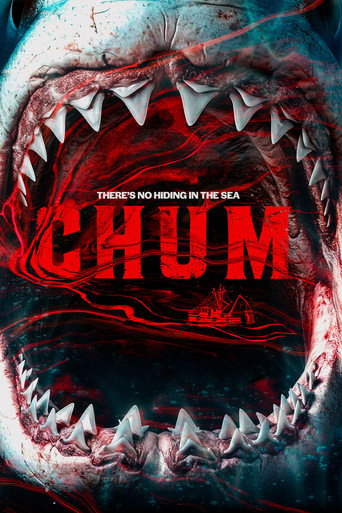
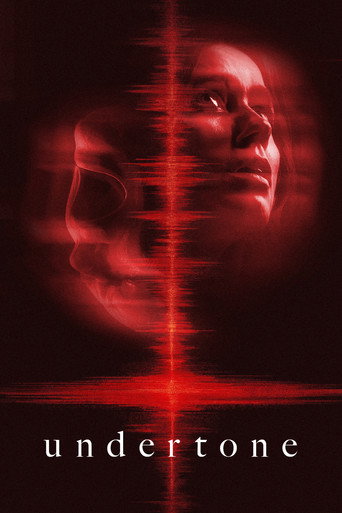
Horror Matches for Do Not Enter’s Abandoned-Hotel Setup
These titles connect to Do Not Enter through the packet’s shared-horror and release-proximity signals, while the caveats make clear that none is documented as repeating its hotel, explorers, supernatural being, or treasure hunt.
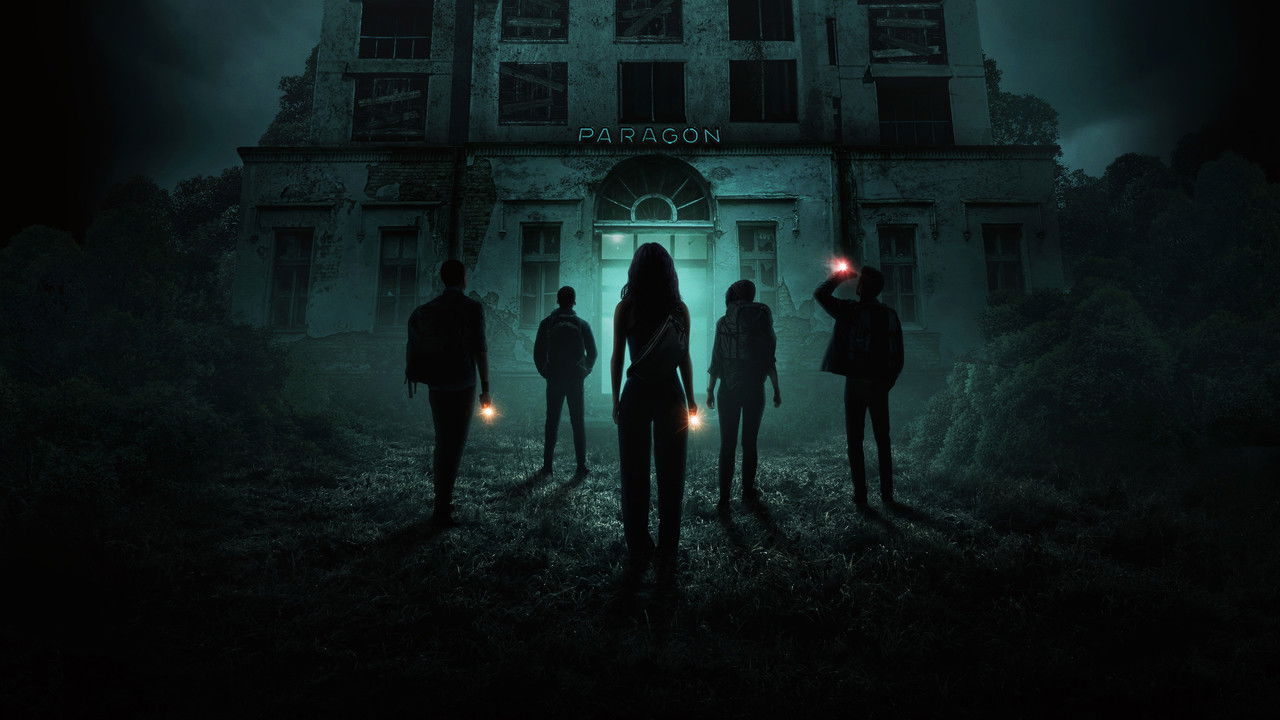
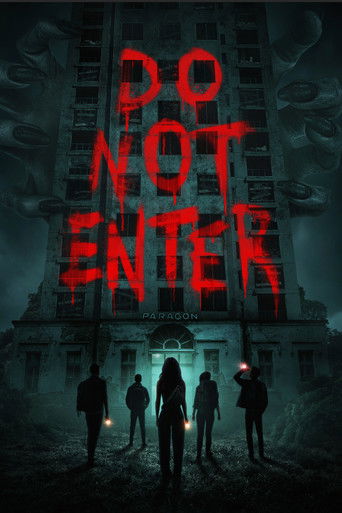
Do Not Enter is built around a compact horror engine: a group of young explorers enters an old abandoned hotel, encounters a strange supernatural being, and finds its investigation complicated by another group searching for a legendary hidden treasure. That combination gives the film more than a single threat. The setting supplies confinement and unease, the supernatural presence supplies dread, and the competing search adds pressure from outside the central investigation.
The recommendations below are the packet’s evidence-backed options for readers seeking that broad combination of horror and release proximity. They are not presented as premise duplicates. The candidate records do not include plot summaries, characters, settings, or creature details, so the responsible connection is narrower: each title belongs to the same shared-genre and release-proximity lane identified for Do Not Enter, while each should be approached as a separate horror work with its own direction.
Direct answer
Start with the titles below when the goal is to stay near Do Not Enter’s documented horror profile without pretending that the packet establishes identical mechanics. The strongest common ground is the genre signal and the release-proximity signal. The meaningful difference is evidentiary as well as editorial: Do Not Enter has a documented abandoned hotel, exploratory group, supernatural being, and competing treasure seekers, but the candidate records do not confirm any of those elements for the alternatives. That makes this a useful broad-match list rather than a collection of verified plot twins.
Grouped recommendations: shared horror and release proximity
Every title in this group earns its place from the same two supported dimensions, but each serves a different reading decision. Some are useful when the reader wants the broadest possible genre connection; others are better treated as tests of how much the abandoned-hotel premise, supernatural threat, or rival search matters to the appeal of Do Not Enter. Because the packet supplies no candidate plot details, the notes below keep those distinctions explicit instead of filling the gaps with assumptions.
The selection starts with the canonical facts supplied for Do Not Enter: it is a 2026 English-language horror movie whose synopsis centers on young explorers, an abandoned hotel, a strange supernatural being, and a competing search for legendary treasure. The candidate records provide two shared dimensions for every recommendation: shared genre and release proximity. They also state that each title takes its own direction, with a different register and a self-contained arc. Those are the only recommendation-level connections used here.
The best reason to use this list is precision about the kind of match it offers. Do Not Enter’s documented appeal comes from the collision of an abandoned hotel, exploratory curiosity, a supernatural presence, and a rival treasure search. The packet supports these alternatives as nearby horror recommendations with release proximity, not as verified repetitions of that full dread mechanism. Choose among them according to how much premise similarity matters, and keep the distinction between evidence-backed connection and speculation intact.
Updated picks
What to watch next
These picks update as the catalogue and streaming options change. Viewing options are shown for the US.
WhyThe Mortuary Assistant matches Do Not Enter in the ways that matter most through overlapping genre ground (horror) and shared themes (horror, dread).
ButExpect it to differ where genre leans toward mystery; theme leans toward mystery, secrets.
Zurmo Match measures fit to Do Not Enter — it is our score, not a critic or audience rating. How the matching works
Zurmo uses Google Analytics and Microsoft Clarity to understand site performance and improve discovery. We do not send your search or chat text to these services. See our privacy notice.