Toy Story Comparisons That Keep the Premise and the Difference Clear
The supplied set connects these titles through shared genre and release proximity, while separating those links from Toy Story's toys, rivalry, and reconciliation.
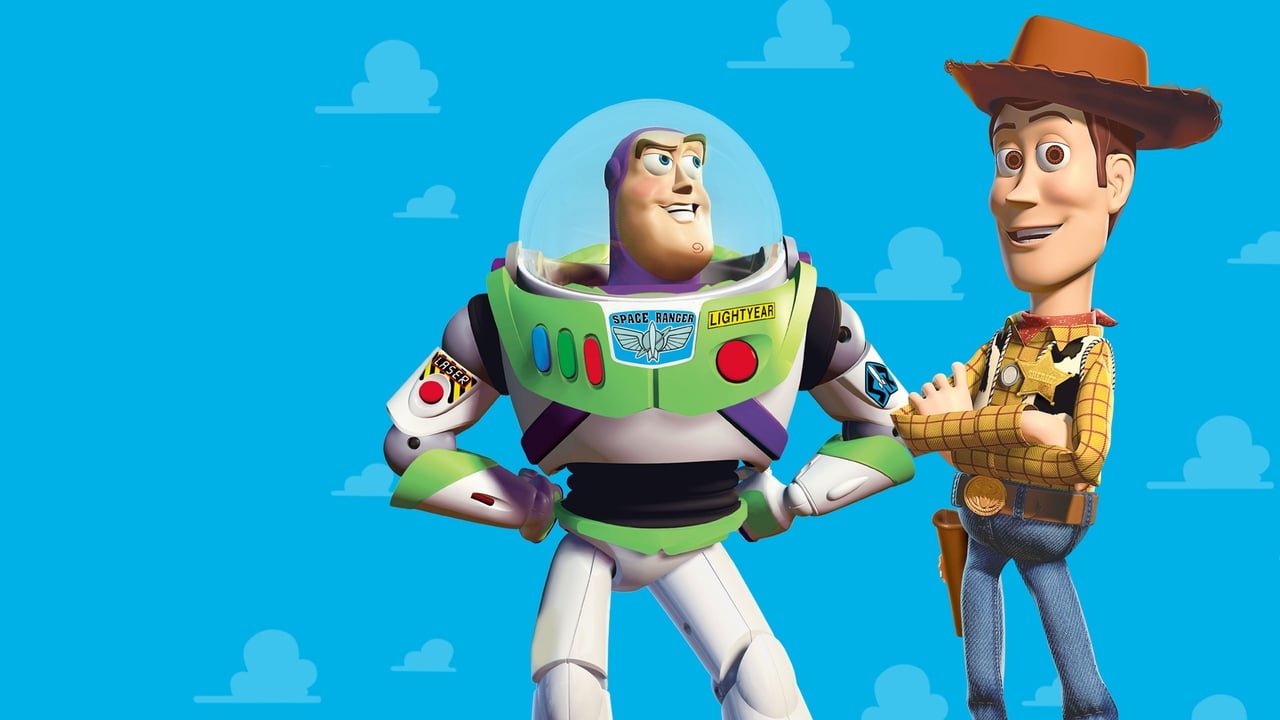
Toy Story's specific appeal here is not just its era or title: Woody leads Andy's toys, Buzz's arrival unsettles Woody's place, and separation forces Woody and Buzz to put their differences aside. For a reader seeking that exact toy-centered setup, the packet does not establish an equivalent premise among the candidates. Its evidence supports a broader comparison set built around shared genre and release proximity.
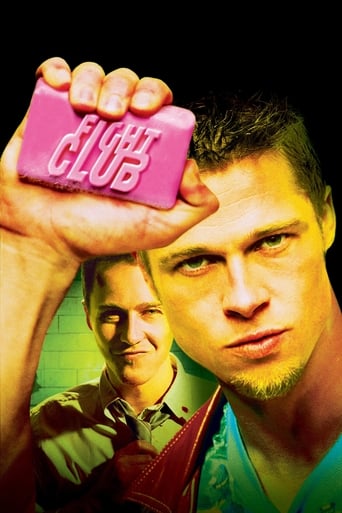
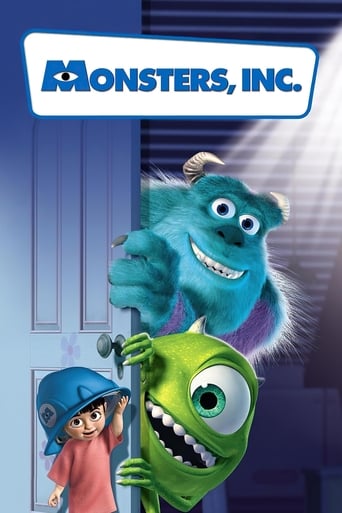
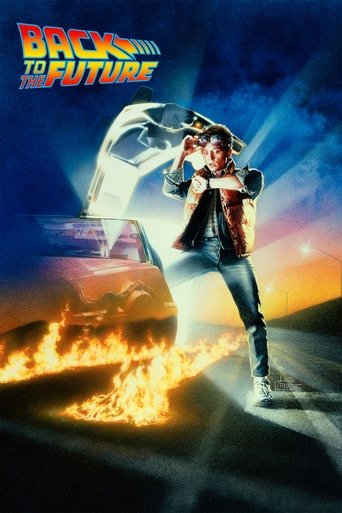
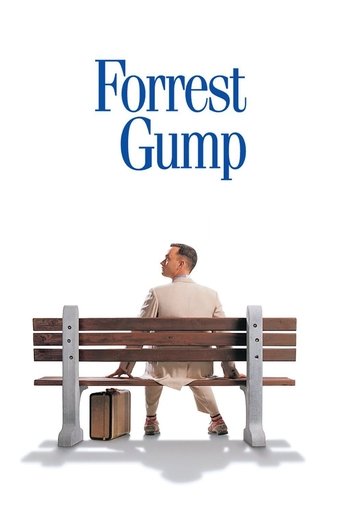
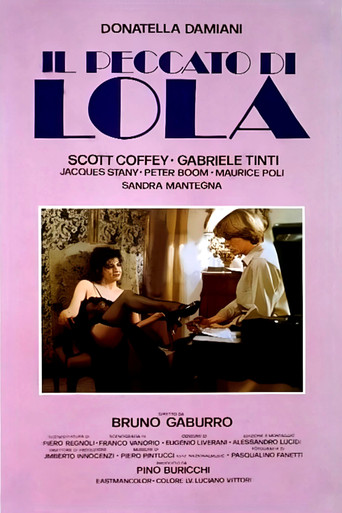
Start with Toy Story 2 if the clearest title-level link matters; its title is the only candidate that repeats the seed title. Then use Monsters, Inc. and Ratatouille as broader comparisons, while Forrest Gump, Pulp Fiction, Fight Club, Back to the Future, Lola's Secret, and The Devil Wears Prada show how far a shared-dimension recommendation can stretch. The notes below distinguish the supported connection from the meaningful difference.
Closest shared-dimension comparisons
These first entries are connected to Toy Story through the same two dimensions in the packet: proximity to its release period and overlap in genre. That is useful evidence for a contextual comparison, but it does not establish the living-toys premise, the Woody-and-Buzz relationship, or any other plot element.
Broader matches built from the supplied dimensions
The remaining candidates reverse the emphasis in their records: shared genre comes first, with release proximity also contributing. They are best read as deliberate expansions of the search, not as claims that every title recreates Toy Story's plot, characters, or emotional mechanics.
Premise baseline: Toy Story's supplied synopsis establishes Woody, Andy's toys, Buzz's arrival, Woody's fear of losing his place, the separation from their owner, and the eventual decision to set differences aside.
Dimension matching: every recommendation is drawn from a candidate record that explicitly names either shared genre, release proximity, or both; no new genre, theme, or plot connection has been added.
Difference discipline: each item keeps the candidate's separate direction and voice visible instead of treating a broad recommendation signal as proof of an identical story.
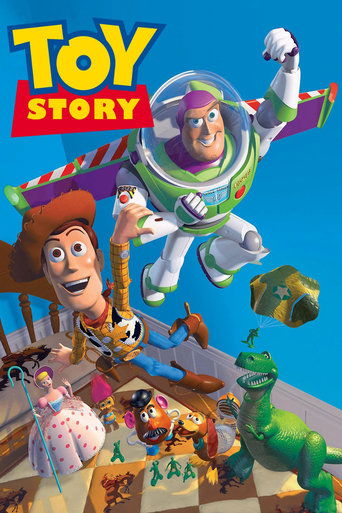
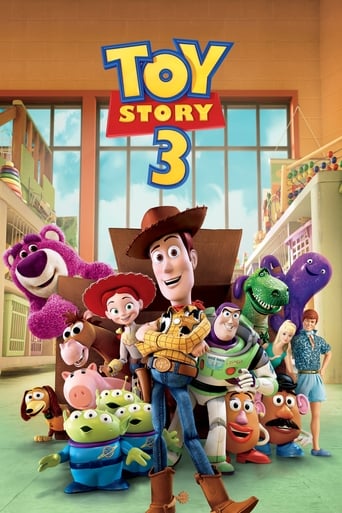
Title-level utility: Toy Story 2 and Toy Story 3 are called out for repeating the seed title, while the other entries are framed as broader comparisons rather than implied franchise links.
Scope control: the draft avoids adding unsupported cast details, awards, plot events, dates, or provider claims to the recommendations.
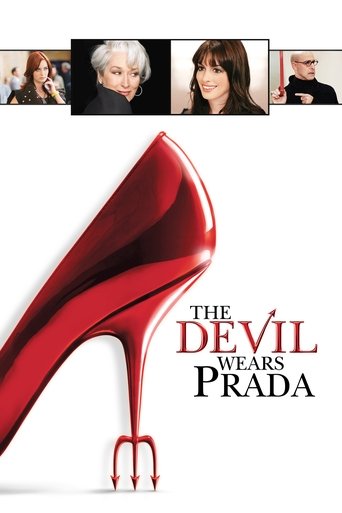
Toy Story 2 is the clearest first choice when the reader values the seed title itself, while Monsters, Inc. and Ratatouille keep the comparison closer to the packet's broader shared dimensions. Forrest Gump, Pulp Fiction, Fight Club, Back to the Future, Lola's Secret, and The Devil Wears Prada are useful only when the reader is comfortable moving from Toy Story's toy-centered rivalry and reconciliation to a wider category-and-era comparison.
Updated picks
What to watch next
These picks update as the catalogue and streaming options change. Viewing options are shown for the US.
Zurmo Match measures fit to Toy Story — it is our score, not a critic or audience rating. How the matching works
Zurmo uses Google Analytics and Microsoft Clarity to understand site performance and improve discovery. We do not send your search or chat text to these services. See our privacy notice.